

14 set Bookkeeping for Beginners: 6 Basic Concepts to Get You Started : EasyBooks Small Business Bookkeeping App Try For Free!

Understanding basic bookkeeping concepts is your first step to success. These concepts lay the foundation for all your financial recordkeeping. And trust us, it’s way easier to fix a $29 mix-up now than unravel six months of “oops” later.Remember, Wave pulls in your bank data, so all you have to do is review. If you need another set of eyes you can always bring in a Wave advisor to double-check your books. That’s Payroll Taxes why we’ve created a handy checklist so you can do bookkeeping like a pro.
Basic Accounting Course
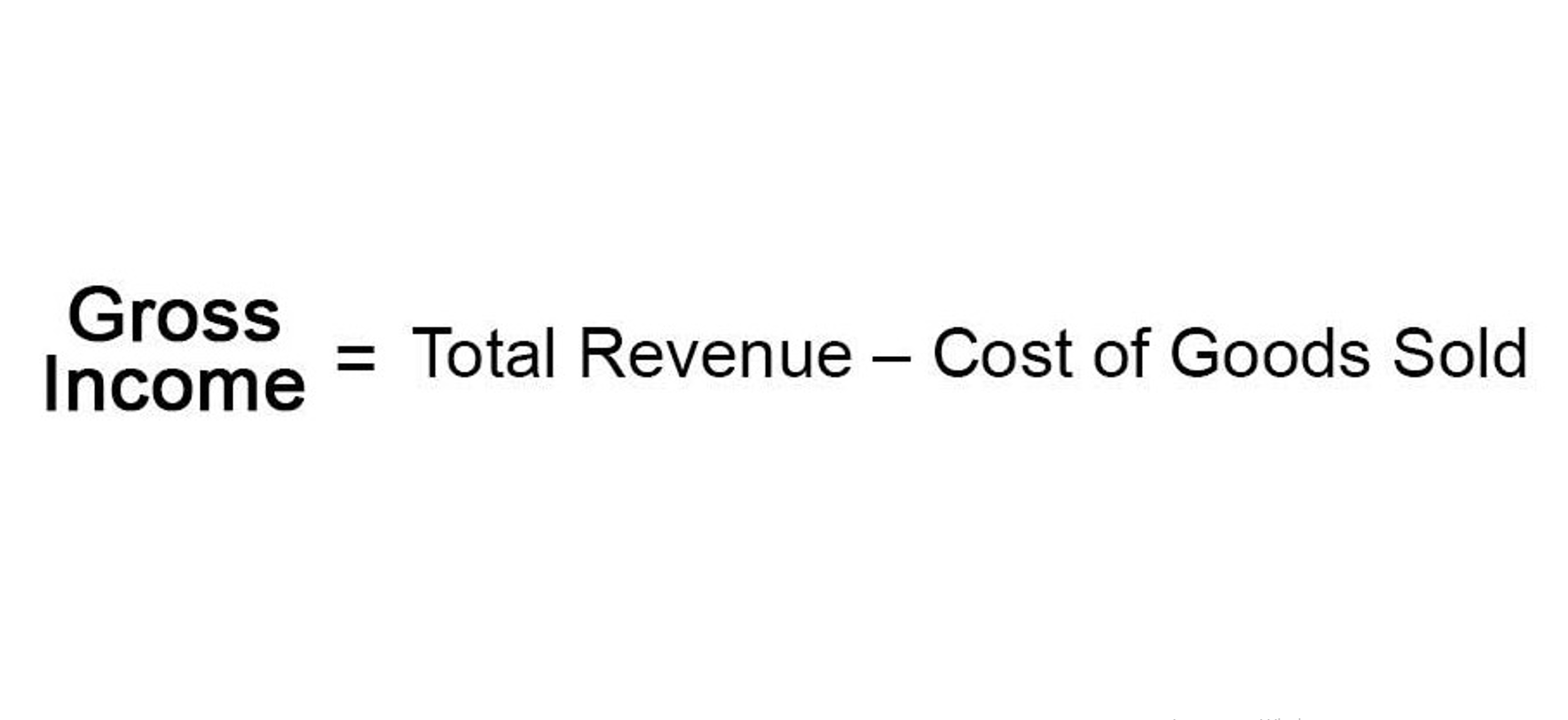
One of the most popular accounting methods is accrual accounting. The accrual accounting method records financial transactions when they occur rather than when cash exchanges hands. That’s because it counts equity, assets and liabilities — on top of expenses and income.
Ignoring your reports

If you’re just starting out, are doing your books on your own and are still in the hobby stage, single-entry is probably right for you. Bookkeeping, like accounting, is one of the necessary evils of running a business. Despite what many may think, those two terms refer to different processes. Bookkeeping, as it will be discussed here, refers to simply collecting records of expenses and revenues, and then posting those transactions to a general ledger. You can hire a full-charge bookkeeper, a virtual bookkeeper, or use software to keep financial records. For a simple business, you can do this on the go through an app like Keeper.

Paying Suppliers (Accounts Payable)

Bookkeeping refers to the practice of tracking all the financial transactions made within a business organization by referring to supporting documentation like invoices, receipts, and purchase orders. A chart of accounts is a categorized list of every type of transaction your business records like revenue, rent, software, or travel. It helps keep your bookkeeping organized and your financial reports accurate. This is when you reconcile your bank account activity with what’s recorded in your books. Make sure every debit and credit is accounted for and matches supporting documents. Spotting and correcting errors at this stage keeps your final financial statements accurate.
Accounts receivable & accounts payable
- Recording financial transactions is smoother with the right tools.
- Clarity on such standard terms will help business owners run bookkeeping internally and better collaborate with accountants and advisors.
- One great way to establish a bookkeeping system is to invest in accounting software like QuickBooks or Xero.
- It allows you to see exactly where your money is going, where your revenue is coming from, and what tax deductions you can claim.
- Our bookkeepers here at Bench can do your books for you entirely online.
- A lot goes into it—from managing payables and receivables to balancing books.
- Double-entry is more complex, but also more robust, and more suitable for established businesses that are past the hobby stage.
Also, because your profit goes on your personal tax return you will probably pay a higher tax rate than with a legal business which receives lower tax bookkeeping 101 rates or special deductions. Learn to setup and manage your own business accounts and what is required to balance your books – from banking and software to financial reports, here are the steps and procedures. These bookkeeping basics will get you tracking income, expenses, profits and paperwork the right way. For instance, ever looked at your bank statements and thought, Where is all the money we made this month?

- This involves keeping track of all the money that comes in and out of a business.
- As you will see next, the term revenues is not the same as receipts, and the term expenses involves more than the checks written.
- Rippling lets you offload critical admin work for payroll, benefits, compliance, IT, and finance, helping your small business or startup grow fast and stay lean.
- It may seem complex at first, but it ensures accuracy and shares insights into your financial health.
According to ZipRecruiter, as of July 2021, the average annual pay for https://www.bookstime.com/ a freelance bookkeeper in the United States is $55,094 a year. This works out to be approximately $26 an hour, over $1,000 a week, or $4,600 a month. Of course, rates and salary can vary depending on the person’s education, certification, skills, years of experience, and other factors. The American Institute of Professional Bookkeepers, for example, grants the Certified Bookkeeper Designation.
No Comments